
FOR PROFESSIONALS
YOTHERA METHOD FACILITATOR TRAINING
Bring Yothera® into Your Work with Your Clients
SELF-PACED PROGRAM
GET INSTANT ACCESS TODAYWho is Yothera Method Facilitator Training for?
Designed to offer therapists and helping professionals a totally new way to empower and express themselves within their profession, as well as learning a new way to empower their clients beyond talk therapy alone.
The Yothera Method frees individuals from the deeply-rooted, unconscious patterns that inhibit them from living their most authentic life, and feeling truly alive. It gives them full access to their unique gifts, aligns them with their purpose, and supports them in their most authentic self expression.
Yothera Method Facilitator Training is for:
- Therapists and helping professionals who are committed to inner-personal development and holistic healing, and also committed to supporting their clients through a similar journey
- Therapists who have tried traditional therapy approaches but feel there is something missing for them, and seek a more authentic and holistic approach to their work
- Therapists who have tried traditional therapy approaches but feel there is something missing for them, and seek a more authentic and holistic approach to their work
- Therapists who are open to trying a new method of therapy that involves more of the subconscious mind, body, spirit, and developing their own intuition, as well as encouraging their clients to do the same.
Yothera Method offers helping and healing professionals a new approach to their work, that changes the whole perspective of what it means to seek therapy in the first place.
Traditional therapy teaches us to work with the mind alone -- with little to no acknowledgement of the body, soul, or intuition of the individual. With such a narrow perspective, we are not truly being of best service to ourselves and those we work with.
Helping and healing professionals who receive training and implement the Yothera Method in their work, feel more authentic to express their own unique talents and gifts with clients, as well as support their clients in doing the same in their own lives.
Yothera Method supports you in implementing a more holistic approach in your profession, to decrease burn out and compassion fatigue, and increase joy, playfulness, intuition, and authenticity into your unique service in the world.
START YOUR JOURNEY
This program explores the three layers of the mind, the conscious, unconscious, and collective unconscious, drawing on foundational work from Carl Jung and Freud.
Participants will study defense mechanisms, ego resistance, archetypes, and shadow work, learning how these dynamics shape personal narratives and influence the healing process. Through experiential practices, students will develop therapeutic approaches for helping clients move beyond mental constructs and access deeper healing through the body.
Participants will integrate tools such as focused mindfulness, intuitive movement, breathwork, and somatic practices to support trauma recovery, nervous system regulation, and intuitive guidance. The program emphasizes ethical embodiment, therapeutic presence, and the use of spiritual and energetic tools in clinical settings.
Graduates will be prepared to guide clients in transforming old narratives into embodied, intuitive new stories, and to hold safe, grounded space for integration.
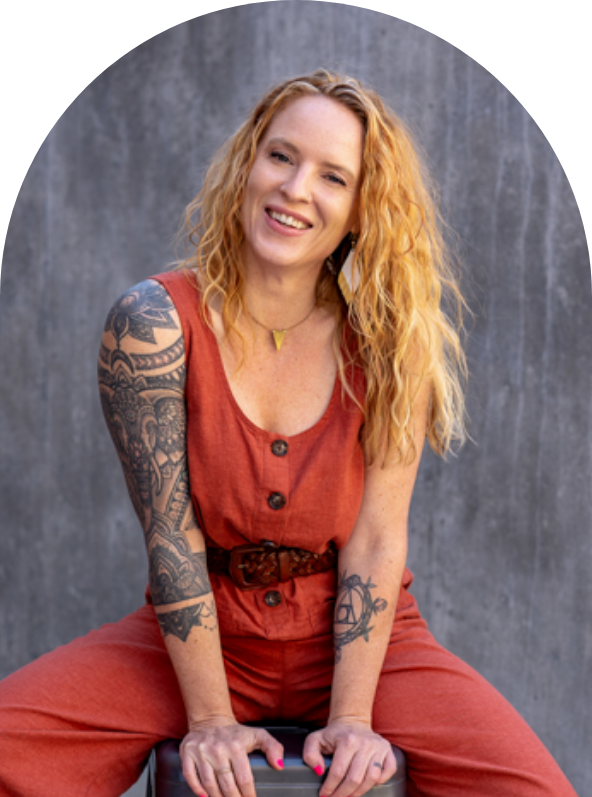
Yothera Method Facilitator Training
8-Week Program
This program explores the three layers of the mind: the conscious, unconscious, and collective unconscious, drawing on foundational work from Carl Jung and Freud. Participants will study defense mechanisms, ego resistance, archetypes, and shadow work, learning how these dynamics shape personal narratives and influence the healing process. Through experiential practices, students will develop therapeutic approaches for helping clients move beyond mental constructs and access deeper healing through the body.
Participants will integrate tools such as focused mindfulness, intuitive movement, breathwork, and somatic practices to support trauma recovery, nervous system regulation, and intuitive guidance. The program emphasizes ethical embodiment, therapeutic presence, and the use of spiritual and energetic tools in clinical settings. Graduates will be prepared to guide clients in transforming old narratives into embodied, intuitive new stories, and to hold safe, grounded space for integration.
Learning Objectives
By the end of this course, participants will be able to …
1. Classify the conscious, unconscious, and collective unconscious, and relate each to therapeutic outcomes using clinical examples.
2. Differentiate between four common defense mechanisms and apply appropriate somatic or narrative interventions in client sessions.
3. Identify signs of ego resistance and demonstrate strategies for attuning to client resistance patterns.
4. Analyze client experiences of cognitive dissonance and determine how somatic awareness can support resolution.
5. Categorize common Jungian archetypes and apply them to emerging client narratives in group practice.
6. Demonstrate how shadow material emerges in client stories and modify interventions to safely explore these themes.
7. Use somatic tracking techniques to help clients discover connections between physical sensation and unconscious material.
8. Lead a present-focused exercise and examine the client’s response to determine whether they are within the window of tolerance.
9. Apply mindfulness protocols and organize client feedback to assess regulation outcomes.
10. Demonstrate intuitive movement practices and analyze resulting shifts in posture, tone, or affect.
11. Evaluate spiritual and energetic tools for cultural congruence and discriminate when such tools may enhance or disrupt safety.
12. Describe ethical considerations around touch in somatic work and classify which interventions are appropriate for clinical use.
13. Identify dissociative responses in session and modify techniques to maintain client safety and engagement.
14. Use reflective listening to track, differentiate, and support shifting narratives within client storytelling.
15. Facilitate narrative re-authoring by guiding clients to restructure outdated beliefs and generalize new insights.
16. Integrate focused mindfulness into somatic inquiry and demonstrate its role in regulating affect.
17. Demonstrate therapist attunement through moment-to-moment co-regulation with clients in high-arousal states.
18. Chart client somatic and narrative progress and analyze data using trauma-informed outcome measures.
19. Construct a referral plan and classify cases that require multidisciplinary or extended support.
20. Explain and demonstrate emergency interventions when clients exhibit overwhelm during body-based processes.
21. Conduct a focused-mindfulness exercise and discover patterns in client interoceptive awareness.
22. Compare and differentiate virtual vs. in-person delivery of embodied techniques, citing implications for therapeutic outcomes.
23. Adapt language and metaphor to meet diverse client needs and analyze how archetypal and somatic frameworks translate across cultures.
24. Demonstrate therapist self-regulation techniques and explain their impact on therapeutic presence.
25. Develop a personal embodiment routine and choose one method to enhance professional sustainability.
26. Evaluate clinical strengths across somatic, narrative, and archetypal domains, and organize a plan for ongoing skill development.
TARGET AUDIENCE:
Classes are open to all licensed professional counselors, licensed social workers, psychologists, psychoanalysts, MFTs, Substance Abuse Counselors, helping professionals and students who are curious and seek to expand their knowledge.
Here’s what you’ll move through in 8 weeks:
Week 1:
Course Introduction + Beginning Phase 1: The Mind
Pre-course Prep, preparing your space and your intentions for beginning the course. Addressing subconscious mental programs, shadow integration, defense mechanisms, and ego identity that create our "Old Stories."
Week 2:
Archetypes and Shadow work
Identifying Old Stories and beginning to transform them by exploring shadow work and archetypes, and focusing on how to dismantle subconscious programs through identifying defense mechanisms, and ego identity. We explore language techniques aimed at engaging the subconscious
Week 3 :
Beginning Phase 2: InBodiment
Phase 2 will focus on “In-bodiment”, the rebuilding of one’s New Story by connecting with the heart, body, and intuition. We utilizes embodiment practices with the Innocent Archetype as a guiding light, helping move the "New Story" from abstract language into an embodied, felt experience. We deepen embodiment practices such as focused mindfulness, free-movement, yoga therapy, heart coherence to continue exploring the New Story.
Week 4:
Uncovering the New Story
A deepening of Phase 2 concepts of embodiment, which layers free-writing, sound, focused mindfulness, senses and sensations, somatic emotional work, and breath to deepend clarity around the New Story.
Week 5:
Solidifying the Gold
This marks the final stage of the Yothera®Method journey: solidifying and integrating the New Story — “the Gold” — into daily life and being seen and witnessed in unconditional love. The content in this module blends embodied practices, deep archetypal work, and experiential exercises in attuned speaking and witnessing practices.
Week 6:
Embodying the New Story
Introduction of the Earth-Mother Archetype, grounding and earthing practices, refining energetic resonance, exploration of creative, non-linear expression of New Story, and prepare for sharing and witnessing in your life.
Week 7:
Sharing and Witnessing of New Stories
Exploration of ways to share your non-linear expression of New Stories in your life, family, or community. Completing exercises to practice being seen. Connecting to resilience, and plans for when we fall out of New Stories and go back into Old Stories.
Week 8:
Congratulations + Next Steps
Your personal invitation to continue forward towards becoming a Certified Yothera Method Practitioner
Phase 1:
The Mind
Phase 1 works specifically with the mind and our “old story” conditioning, to get clear on what has been keeping us trapped. Phase 1 works with the layers of the conscious and unconscious mind, uses archetypes, shadow work, and integration of our hidden blind-spots, cognitive dissonance, defense mechanisms and mental blocks that sabotage our healing.
Phase 2:
In-Bodiment
Phase 2 uncovers how the unconscious mind speaks to us individually, and learning it’s language through the body using a variety of embodiment tools such as heart coherence, focused mindfulness, yoga therapy techniques, breathwork, energy practices, and exploring emotions. Phase 2 works with the nervous system, and includes intuitive development practices.
Phase 3:
The Elixir - Integration
Phase 3 teaches integration practices, energy attunement, and sharing of new stories within an intention group container. Practices of compassion and unconditional love, as well as partner practices are also part of Phase 3. Discussion around ethical embodiment and consideration when doing more embodied work with clients. Phase 3 teaches participants how to assist clients in anchoring their new story more in their daily lives.
HERE'S WHAT YOU'LL INSTANTLY UNLOCK:
| ✔︎ | Instant access to Yothera Method Facilitator Program |
| ✔︎ | Manual and Workbook to go along with the program |
| ✔︎ | 12 months of access to lessons & practices |
| ✔︎ | Downloadable Workbooks |
| ✔︎ | Embodiment practices |
Phase 1: The Mind
In this weekend Phase 1 workshop, students will be studying the 3 layers of the mind including the conscious, unconscious, and collective unconscious according to psychologists such as Carl Jung.
Students will study and learn about defense mechanisms, cognitive dissonance, and natural resistances of the ego according to Freud. They will be working with the archetypes, shadow work, and integrating hidden blind spots that get in the way of our healing and growth.
Students will be practicing specific methods for bringing this work into the work that they do in the world, as well as treatment methods that are therapeutic in assisting their own clients to move through the breakdown of mental constructs and barriers.
Students will learn how to incorporate yoga therapy, focused mindfulness and other tools including intuitive movement to assist clients in healing and accessing information from a balanced and regulated nervous system.
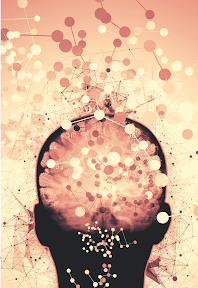

Phase 2: In-Bodiment
In Phase 2, participants learn how the unconscious mind speaks through the body and sensations, and expresses it’s language through the body. Participants also explore key emotions that play a vital role in the transformation process, internal and external resourcing, heart coherence practices, and focused mindfulness to bring into their sessions with clients.
Participants learn how to use embodied practices with their clients to tap into the wisdom of their bodies, in a therapeutic way, to connect them to their own intuition. In Phase 2, participants will learn how to support their own clients in being more embodied, grounded, and use their breath in a way that supports their healing. Participants will learn the basics of focused mindfulness practices, along with movement therapy approaches, therapeutic breathwork, and other ways to incorporate embodiment practices into therapeutic settings.
Participants will learn to support their clients in connecting to body sensations, senses, and emotions in an intuitive way that allows us to transform old mind stories into the essence of our new story/narrative that we access through the body. Participants will learn writing, speaking, and energetic practices that can connect their clients more to the wisdom of their energy and body.
Grounding and visualization practices, partner practices, and attunement that anchors clients more into the present moment and their bodies.
Phase 3: The Elixir- Integration
In Phase 3, participants practice sharing their new stories with the group, witnessing and being witnessed through unconditional love and compassion. Participants learn attunement skills to bring into their work with clients, and ways to assist their clients with integration practices to anchor their new story into their daily life.
In Phase 3, participants learn how to create and hold therapeutic space for integration, and their client’s sharing of their new stories. Participants learn how to guide their clients through practices of embodied listening, present-focused dialogue, and creating safe space.
Participants will also learn ethical practices around embodied therapeutic practices, and using spirituality in a therapeutic setting. Participants will have the opportunity to practice and demonstrate their ability to hold safe space and ethical boundaries.
Participants will learn how to move forward in a therapeutic way with clients who wish to continue working together after Phase 3 is completed.

INSTRUCTOR
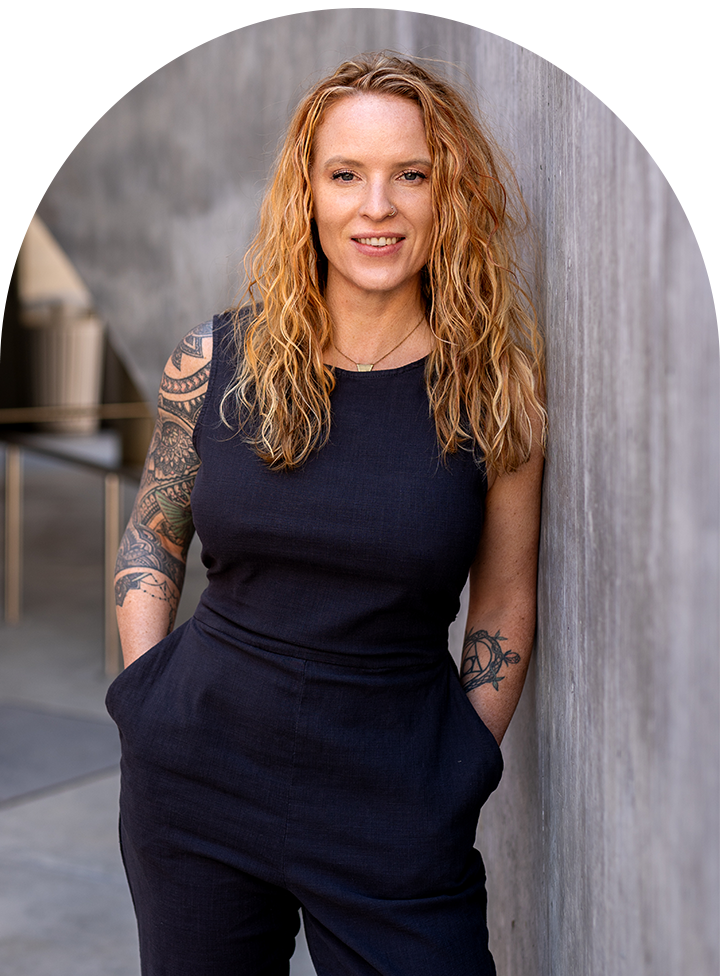
Jessica Maitri, LCSW
Jessica Maitri, LCSW, is a Brainspotting Consultant, Certified Yoga Therapist, Breathwork Practitioner, and Intuitive Energy Healer. She is the creator of the Yothera Method, a therapeutic modality that integrates somatics, yoga therapy, and Brainspotting to help individuals transform limiting mental narratives through the wisdom of the body and intuition.
Jessica is passionate about mentoring fellow helping professionals, offering Brainspotting consultation and leading the Yothera Method Facilitator Training to support deeper healing and embodiment in the therapeutic process.
See what other students have to say about the program!
CONTACT
For questions or concerns, please reach out to:
Jessica Maitri
PO Box 1533
Boise, ID 83701
hello@yothera.com

